 UK Site
Textiles & Technical Fabrics
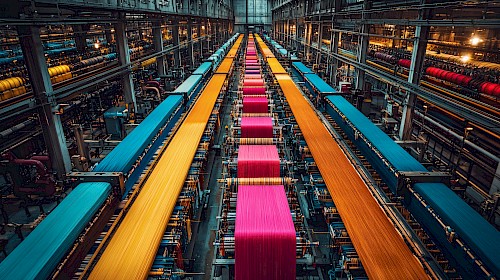
At Victory Lighting, we are proud to lead the way in Infrared technology within the textile industry, providing innovative solutions for fabric manufacturers. We provide systems that dry, cure and coat technical textiles for some of the biggest fabric manufacturers across the UK, EU and USA — and most people who wear the results have no idea it's there.
The problem with the way you're finishing fabric now
UK and EU textile and technical fabric manufacturers are under growing pressure to cut energy consumption and move away from solvent-based finishing.
Hot-air drying tunnels are expensive to run and slow to respond. Chemical coating processes, particularly the PFAS-based durable water repellent (DWR) treatments that have defined the "waterproof jacket" for decades, are being phased out under tightening EU and UK chemical restrictions, with REACH pushing PFAS use out of consumer textiles on an accelerating timeline. If your finishing line still depends on solvent-based DWR, you're finishing fabric the regulator is already moving away from.
How Infrared and UV technology solves it
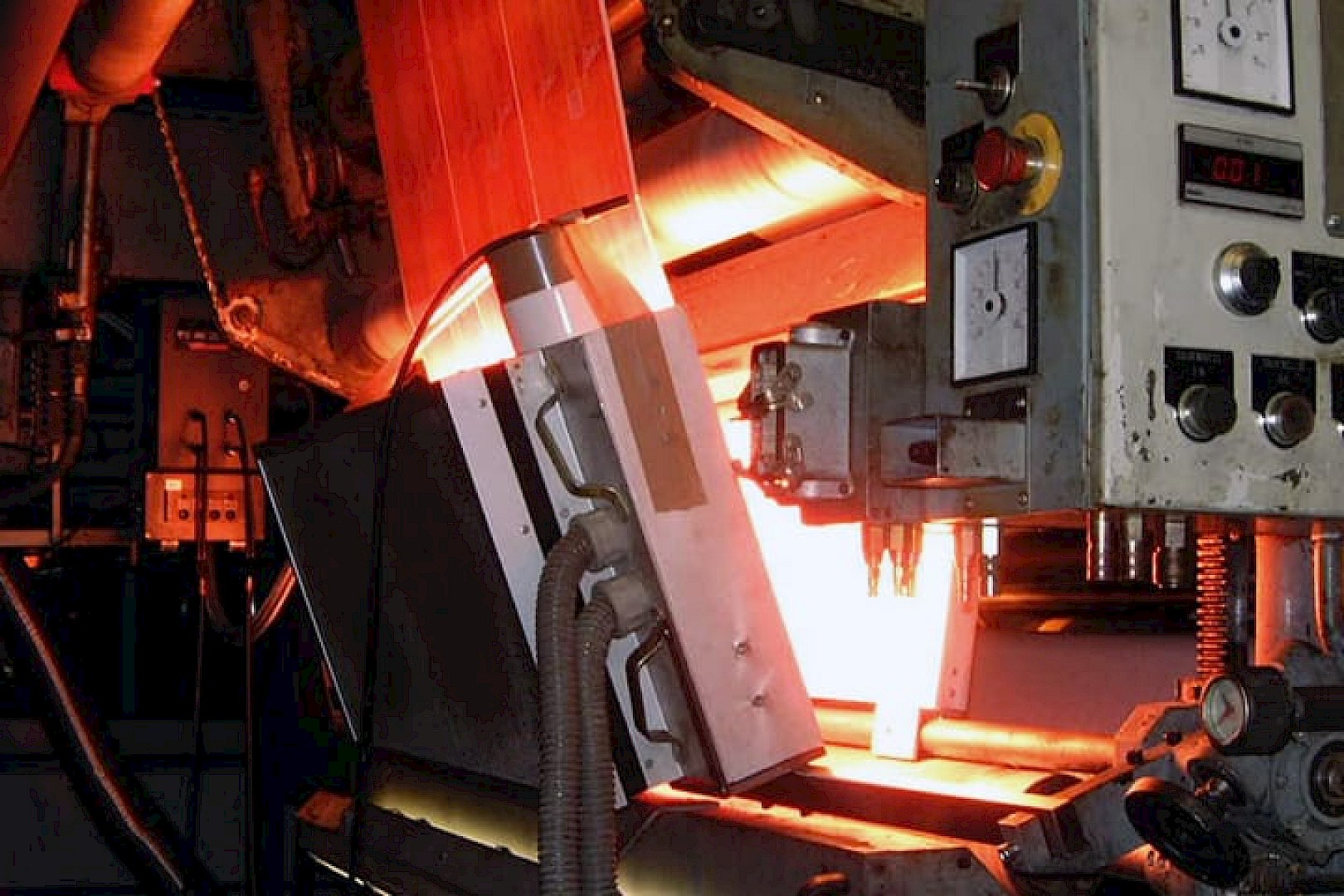
Infrared drying removes moisture from woven and non-woven fabrics rapidly and evenly, without the energy cost or footprint of a convection tunnel. Because IR heats the fabric directly rather than the air around it. UV curing bonds functional finishes, water-repellent, antimicrobial, flame-retardant and anti-static coatings, to technical fabrics almost instantly, with no solvent emissions and no PFAS chemistry required. The two technologies pair naturally: dry with IR, cure the finish with UV, and you've replaced a slow, chemical-heavy process with one that's fast, precise and compliant with where the regulation is heading.
You can find out more by checking out our article: The PFAS Ban and Textile Finishing: Why IR and UV Could Be the Answer
IR and UV built for your fabric, not a generic tunnel
Every textile substrate absorbs a different part of the infrared spectrum. Get the wavelength wrong and you scorch delicate synthetics or under-dry heavier weaves. We were early developers of Fast Response Medium Wave lamps built specifically for textile finishing, and our technical team matches emitter wavelength to your fabric composition before you commit to a system — not after.
Talk to our technical team
Whether you're retrofitting a drying tunnel or specifying UV curing for a new PFAS-free coating line, our engineers will work through the wavelength, throughput and integration detail with you. Request a technical consultation or explore our infrared drying and curing systems and UV curing lamps and systems directly.
T-Shirt Printing
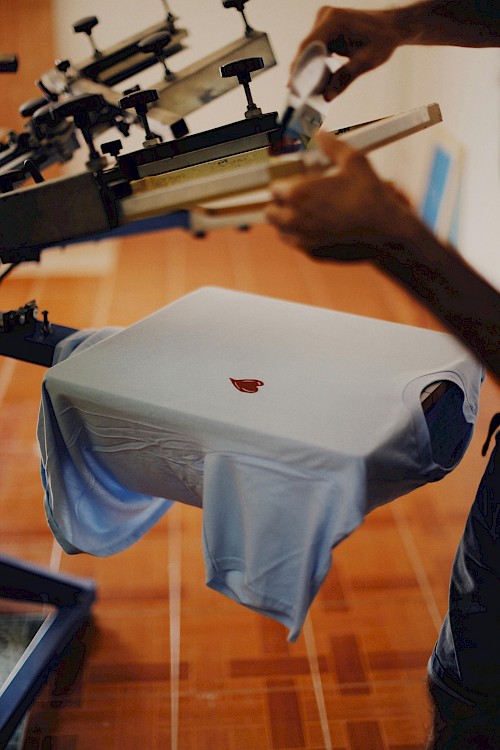
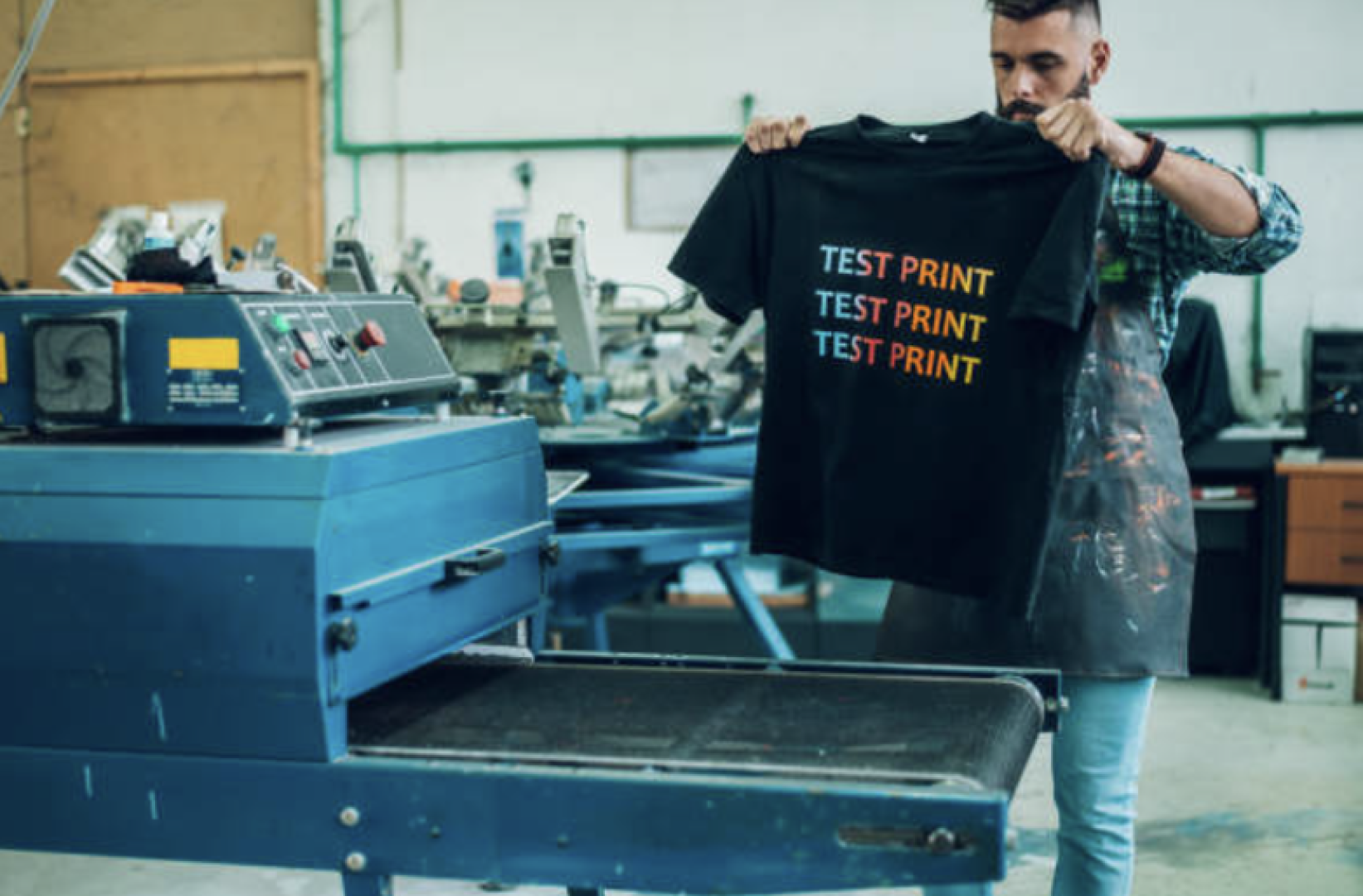
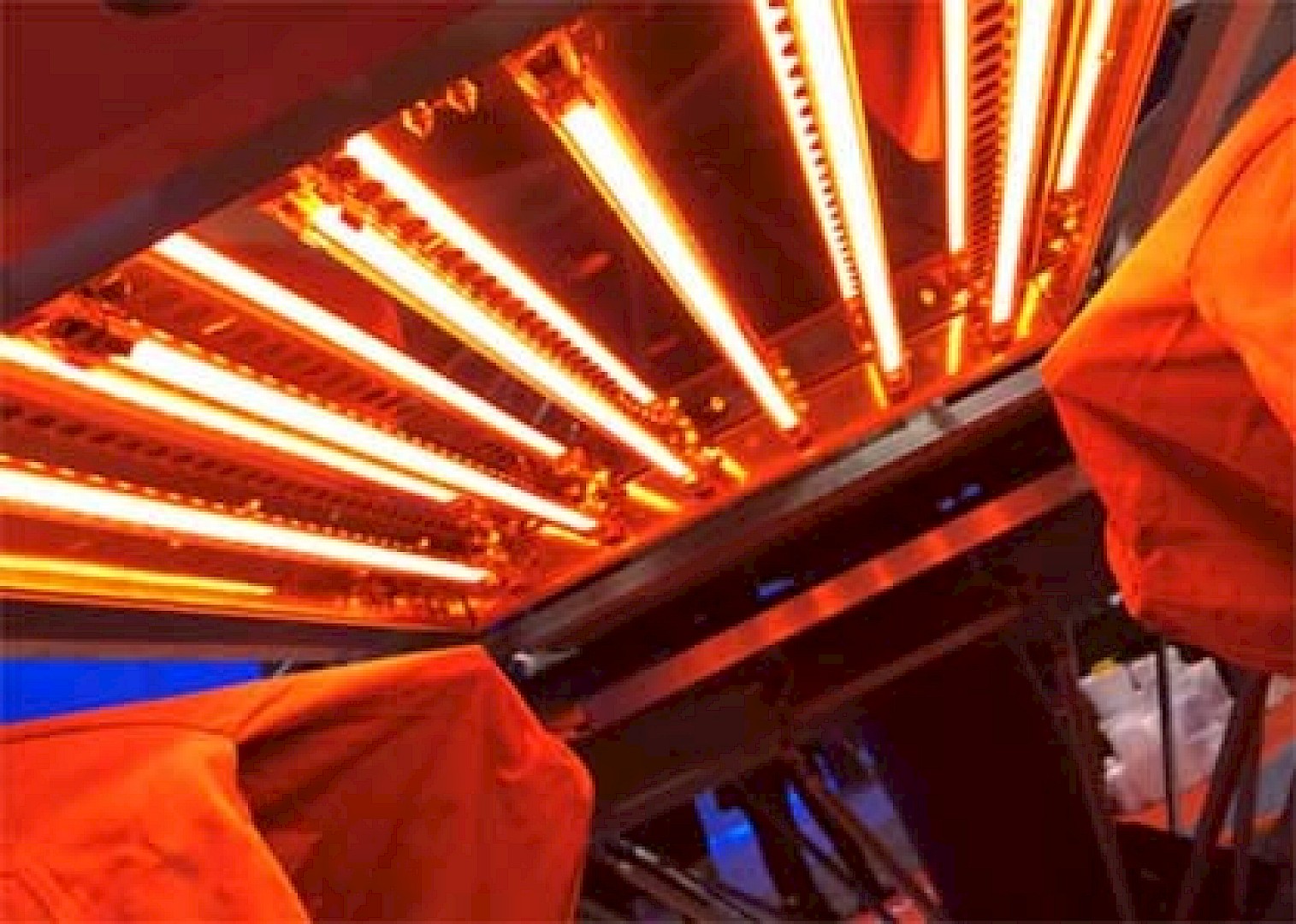
In the realm of T-shirt printing, at Victory, we offer our cutting-edge Fast Response Medium Wave NDA lamps. These specially designed lamps offer superior performance specifically for the textile industry, delivering instant heat output with a higher medium wave (MW) output than conventional infrared lamps.
This advanced heating technology is ideal for drying inks on T-shirts during the screen-printing process. The rapid drying speed not only enhances productivity but also improves energy efficiency, ensuring that manufacturers can meet high demand without compromising quality. By integrating our infrared solutions into the printing process, businesses can achieve vibrant, durable prints while significantly reducing production times.
Flame Retardant Clothing
Infrared technology plays a critical role in enhancing capacity during the drying process for manufacturing flame retardant textiles, including upholstery and curtains. When specialist flame-retardant chemicals are applied to these textiles, an efficient drying process is essential to ensure the effectiveness of the treatment.
Using infrared heating for this application provides numerous benefits over traditional drying methods. Infrared heating significantly reduces drying time, allowing manufacturers to expedite production schedules while also being more energy-efficient. This quick and effective drying process ensures that the flame retardant properties are fully activated, maintaining the safety and compliance standards required in various industries.
Shoe Manufacturing
In shoe manufacturing, infrared heat technology is utilised for several applications, including the production of footwear. One key process involves securing the sole to the body of the shoe, typically accomplished through the application of adhesives that need to be activated or cured.
Infrared heating is particularly advantageous in this phase of production due to its instant heat output and deep penetration capabilities. The ability to apply heat without damaging the sole ensures that the adhesive sets properly while improving drying times. Compared to alternative methods, infrared heating offers greater energy efficiency, reducing overall production costs and enhancing the sustainability of manufacturing processes.
Victory's commitment to innovation in infrared technology is transforming the textiles industry, improving production efficiency and product quality across various applications. Whether it's for T-shirt printing, drying flame retardant textiles, or shoe manufacturing, our solutions are designed to meet the evolving needs of the market while prioritising energy efficiency and sustainability.
Contact Us Today
Enquiry